Categories

The Ultimate Guide to Nylon Wrinkled Crush Fabric: Features, Uses, and Care
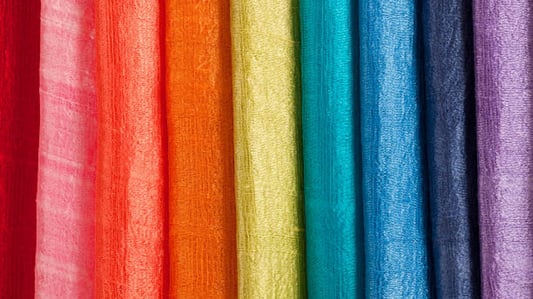
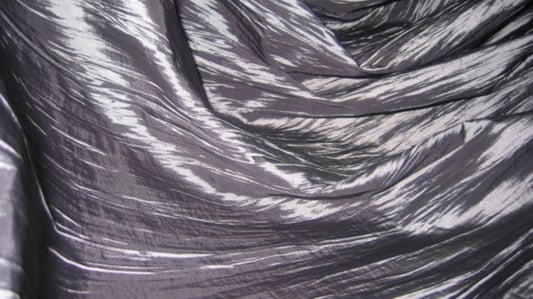
Introduction to nylon wrinkled crush fabric Nylon wrinkled crush fabric is a unique textile known for its distinctive textured appearance combined with the durability of nylon fibers. This fabric stands out due to its permanently crinkled surface, which adds depth and visual interest, making it popular in both fashion and home décor. Its lightweight nature and strength are inherent qualities of nylon, while the wrinkled crush finish provides an elegant yet casual look. Manufacturing Process and Textile Technology The creation of nylon wrinkled crush fabric involves a specialized process where the nylon fibers are treated with heat and pressure to achieve the permanent crush texture. This intricate manufacturing technique ensures that the fabric retains its wrinkled effect even after washing. The process often includes calendaring or mechanical pressing, combined with chemical setting agents that lock the fabric's pleated structure in place. Distinctive Aesthetic Appeal One of the defining features of nylon wrinkled crush fabric is its visually engaging texture. The crinkled surface reflects light in varied ways, bringing a dynamic dimension to garments and products made from it. This tactile quality appeals to designers and consumers seeking fabrics that provide more than smooth or flat finishes, imparting a modern and artistic flair to fashion collections. Durability and Wear Resistance Thanks to the inherent properties of nylon, nylon wrinkled crush fabric exhibits excellent durability and resistance to wear. The synthetic fibers provide strong tensile strength, making garments less prone to tears or damage. Additionally, the crushed texture helps mask minor wrinkles and stretch marks that develop through use, maintaining a polished look over time without frequent ironing. Versatility in Fashion Applications Nylon wrinkled crush fabric’s unique texture and strength make it highly versatile for fashion designers. It is commonly used in dresses, blouses, skirts, and outerwear, lending volume and structural interest. The fabric is light and breathable, suitable for both casual and formal wear, and adapts well to various garment styles, providing innovative silhouettes and visual effects. Comfort and Functional Benefits Despite being a synthetic textile, nylon wrinkled crush fabric offers notable comfort due to its lightweight and breathable construction. The fabric’s texture allows for improved airflow compared to tightly woven materials, making it comfortable in milder climates. Its wrinkle-resistance also reduces the need for maintenance, appealing to the modern fast-paced lifestyle. Care and Maintenance Guidelines Maintaining nylon wrinkled crush fabric involves understanding its specific care needs to preserve the original texture and fabric strength. Typically, this fabric can be machine-washed on gentle cycles with mild detergents. Avoiding high heat while drying is crucial, as excessive heat may alter the texture. Hand washing or professional dry cleaning can help extend the fabric’s lifespan and maintain its crushed finish. Environmental and Sustainability Considerations While nylon is a synthetic fiber originating from petrochemicals, innovations are being made to improve the sustainability of nylon fabrics, including nylon wrinkled crush fabric. Some manufacturers are incorporating recycled nylon inputs and eco-friendly dyeing processes to minimize environmental impact. However, consumers should be aware of the fabric’s synthetic nature when considering eco-conscious fashion choices. Comparison with Other Textured Fabrics Nylon wrinkled crush fabric can be contrasted with similar textured fabrics such as crinkle chiffon or pleated polyester. Unlike natural fiber options, nylon offers greater durability and resistance to moisture and abrasion. Its permanent crushed effect differentiates it from temporary wrinkle finishes, making it a preferred choice for long-lasting textural fabric needs in apparel and décor. Future Trends and Market Demand With increasing demand for innovative textiles in the fashion industry, nylon wrinkled crush fabric is gaining momentum. Its combination of texture, resilience, and style aligns well with trends favoring unique materials that enhance garment aesthetics and functionality. Designers continue to experiment with this fabric in avant-garde and everyday collections, indicating a promising growth trajectory for nylon wrinkled crush fabric in the coming years. Quote Inquirycontact us
READ MORE
Exploring the Versatility and Benefits of Lightweight Nylon Crush Fabric
Introduction to lightweight nylon crush fabric Lightweight nylon crush fabric has emerged as a popular material in the textiles industry, known for its distinctive texture and utilitarian properties. This fabric seamlessly combines the lightweight nature of nylon with a unique crushed or crinkled finish, offering both aesthetic appeal and enhanced functionality. Widely used in fashion, outdoor gear, and accessories, it represents the fusion of style and performance.Unique Texture and Visual Appeal The defining characteristic of lightweight nylon crush fabric lies in its crushed texture. This finish introduces a dynamic, three-dimensional appearance that catches light differently across its surface, adding depth and visual interest. Unlike smooth nylon, the crushed effect reduces the fabric’s tendency to show wrinkles and creases, making it especially attractive for apparel and home textiles that require low maintenance.Exceptional Durability and Strength Despite being lightweight, nylon fibers are renowned for their strength and abrasion resistance. When crafted into lightweight nylon crush fabric, these qualities persist, resulting in a highly durable textile. Its resilience against tears and everyday wear makes it suitable for applications that demand longevity, such as backpacks, jackets, and travel gear.Moisture Resistance and Quick Drying One of the practical benefits of lightweight nylon crush fabric is its moisture-wicking and quick-drying capabilities. Nylon’s synthetic nature means it does not absorb water easily, making the fabric ideal for outdoor apparel and activewear. When exposed to rain or sweat, this fabric dries rapidly, providing wearer comfort and enhancing usability in various environmental conditions.Breathability and Comfort for Active Use Despite moisture resistance, lightweight nylon crush fabric maintains a certain degree of breathability. This balance between water repellency and ventilation makes it a preferred choice for performance clothing. It enables air circulation, reducing overheating during vigorous activities while maintaining protection from external moisture.Lightweight Advantage for Travel and Mobility Weighing significantly less than many traditional textiles, lightweight nylon crush fabric delivers a strong combination of portability and durability. This attribute makes it especially favored in travel accessories, such as foldable bags, compact raincoats, and packable windbreakers, where minimizing weight without sacrificing strength is critical.Eco-Friendly Innovations in Nylon Production Recent advancements have introduced recycled nylon fibers into the manufacturing of lightweight nylon crush fabric. Utilizing post-consumer or industrial waste nylon helps reduce environmental impact and promotes sustainability. These eco-conscious developments allow brands to offer stylish, functional fabrics while addressing growing consumer demand for responsible materials.Versatility Across Fashion and Accessories From streetwear to high fashion, lightweight nylon crush fabric is embraced for its adaptability. Designers incorporate the fabric into dresses, skirts, and outerwear, leveraging the crushed texture for a casual yet sophisticated look. Moreover, it’s increasingly found in handbags, hats, and footwear, highlighting its broad range of applications beyond traditional sportswear.Care and Maintenance Tips Maintaining lightweight nylon crush fabric is straightforward due to its inherent wrinkle resistance and durability. Typically, it requires gentle machine washing and air drying to preserve its texture and performance qualities. Additionally, the crushed finish means ironing is rarely necessary, simplifying garment upkeep and extending fabric life.Cost-Effectiveness and Market Availability Lightweight nylon crush fabric offers an economical solution for manufacturers and consumers seeking performance textiles without the premium price tag of specialty fabrics. Its widespread availability in various weight options and color palettes contributes to its popularity. The balance between affordability, durability, and visual appeal positions this fabric as a smart investment for diverse textile needs.Future Trends and Innovations Looking ahead, lightweight nylon crush fabric is poised for continued growth driven by technological enhancements. Innovations such as blending with other fibers, improved finishes for enhanced water resistance, and eco-friendly dyeing methods are expected to broaden its appeal. As consumer lifestyles evolve toward active, sustainable, and versatile apparel, this fabric aligns well with future market demands.Quote Inquirycontact us
READ MORE
The Ultimate Guide to Soft Nylon Crush Fabric: Uses, Benefits, and Care
What Is soft nylon crush fabric? Soft nylon crush fabric is a lightweight, textured textile made from nylon fibers that are specially treated to create a crushed or wrinkled effect. This fabric combines the durability of nylon with an aesthetically pleasing, crinkled appearance that does not require ironing. The softness of the material ensures comfort, making it suitable for a variety of fashion and home décor applications.Key Characteristics of Soft Nylon Crush Fabric One of the defining traits of soft nylon crush fabric is its unique texture, which provides a three-dimensional look and feel. It is both stretchable and resilient, allowing it to retain shape even after repeated wear or washing. The fabric is also breathable, quick-drying, and resistant to wrinkles, contributing to its popularity among designers and consumers alike.Advantages Over Other Textiles Compared to traditional fabrics, soft nylon crush fabric offers superior wrinkle resistance and durability. Unlike cotton or silk, it tends to dry faster and does not crease easily, reducing maintenance efforts. Its soft hand feel, combined with nylon's strength, makes it ideal for garments that require both comfort and longevity.Applications in Fashion and Apparel The fabric’s versatility shines in various fashion segments including casual wear, activewear, and formal attire. Designers often use soft nylon crush fabric for skirts, blouses, dresses, and scarves because of its ability to hold textured patterns while remaining lightweight and comfortable against the skin.Use in Home Décor and Furnishing Beyond fashion, soft nylon crush fabric is favored in home décor for items like decorative pillows, draperies, and upholstery accents. Its tactile texture adds visual interest and a modern touch to interiors, while its durability ensures long-lasting use in everyday household environments.Care and Maintenance Guidelines Soft nylon crush fabric is easy to care for due to its wrinkle-resistant properties. It typically requires only gentle machine washing in cold water and air drying. Ironing is often unnecessary, which saves time and helps maintain the fabric’s distinctive crushed texture over time.Sustainability and Environmental Impact Though made from synthetic nylon, advancements in manufacturing techniques have begun incorporating recycled nylon into soft nylon crush fabrics. This shift helps reduce environmental footprints, making the fabric a more sustainable choice for eco-conscious consumers who seek fashionable yet environmentally friendly materials.Customization and Dyeing Options Soft nylon crush fabric is highly receptive to various dyeing methods, leading to vibrant, long-lasting colors. Manufacturers often use garment dyeing or piece dyeing techniques to enhance the depth and texture of the fabric while retaining its softness. This makes it ideal for creating fashion pieces with bold and dynamic color palettes.Comfort and Performance in Activewear Thanks to nylon’s moisture-wicking and quick-dry capabilities, soft nylon crush fabric is increasingly popular in activewear design. Its stretchability and breathability provide wearers with comfort during physical activities, while the crushed texture adds a stylish, distinctive look that stands out in the fitness apparel market.Future Trends and Innovations Innovation around soft nylon crush fabric continues with the integration of smart textiles and performance-enhancing finishes. These advancements include UV protection, antimicrobial treatments, and stretch optimization, aimed at further boosting the fabric’s functionality for both fashion and technical applications.Quote Inquirycontact us
READ MORE
The Comprehensive Guide to Nylon Crush Woven Fabric: Features, Uses, and Benefits
Introduction to nylon crush woven fabric Nylon crush woven fabric is a unique textile characterized by its distinct texture and durability. Made from synthetic nylon fibers, the fabric features a crushed or crinkled surface created during the finishing process. This fabric type is popular in various industries due to its strength, lightweight nature, and aesthetic appeal. Understanding nylon crush woven fabric’s composition and properties provides insight into why it remains a preferred choice for many applications.Manufacturing Process and Composition The production of nylon crush woven fabric involves weaving nylon fibers into a tightly knit structure followed by a special crushing technique. This method involves pressing the woven fabric in a heat-set manner to create permanent creases or wrinkles. The result is a textured and visually appealing fabric that maintains nylon’s inherent toughness and resistance to wear. The process enhances flexibility while preserving the fabric's robust qualities.Durability and Strength Attributes One of the standout features of nylon crush woven fabric is its exceptional durability. Nylon fibers are inherently strong and able to resist abrasions, making the fabric suitable for heavy-duty use. The woven pattern provides additional tensile strength, while the crush finish adds resilience against wrinkles and deformation. This makes nylon crush woven fabric ideal for products that require long-lasting performance.Water Resistance and Weatherability Nylon crush woven fabric often exhibits excellent water resistance and quick-drying capabilities, attributes derived from its synthetic nature. This fabric can repel moisture to a degree and dries faster than natural fibers, which is critical for outdoor and active wear applications. The fabric also maintains structural integrity when exposed to sunlight and varying weather conditions, adding to its versatility.Applications in Fashion and Apparel In the fashion industry, nylon crush woven fabric is favored for its unique texture and comfortable wear. It is commonly used in lightweight jackets, activewear, and accessories where both style and function are important. The crushed texture offers a modern, trendy look without compromising fabric performance, allowing designers to create innovative pieces with enhanced durability.Use in Outdoor and Sporting Goods Because of its strength and weather resistance, nylon crush woven fabric is widely used in outdoor equipment and sportswear. Common products include backpacks, tents, and athletic apparel designed for rigorous use. The fabric’s ability to withstand physical stress and resist tearing makes it a reliable choice for outdoor enthusiasts who require tough yet breathable material.Maintenance and Care Guidelines Nylon crush woven fabric is relatively easy to maintain due to its resistance to stains, wrinkles, and shrinking. Most items made from this fabric can be machine washed on gentle cycles with mild detergents. However, to preserve the crushed texture and extend fabric life, air drying and avoiding high heat ironing are recommended. Proper care ensures the fabric retains its aesthetic appeal and functional qualities over time.Environmental Impact and Sustainability While nylon is a synthetic material derived from petrochemicals, advances in recycling technologies are improving the sustainability prospects for nylon crush woven fabric. Some manufacturers utilize recycled nylon fibers which reduce environmental footprint. Additionally, the long lifespan and durability of nylon crush woven fabric help minimize waste by decreasing the frequency of replacement.Comparisons with Other Woven Fabrics When compared to other woven fabrics such as cotton or polyester blends, nylon crush woven fabric offers superior durability and a distinct textured finish. Unlike natural fibers, nylon crush woven fabric resists mildew and is less prone to fading. Its synthetic composition gives it an edge in applications demanding high-performance textile characteristics, making it a versatile alternative in both fashion and technical textiles.Future Trends and Innovations Innovations in nylon crush woven fabric are focusing on enhancing sustainability and performance through blended materials and advanced weaving techniques. Researchers are exploring ways to improve breathability, stretch, and eco-friendliness without compromising the fabric’s strength. As consumer demand grows for multifunctional textiles, nylon crush woven fabric is poised to become a key material in textile technology advancements.Quote Inquirycontact us
READ MORE
Comprehensive Guide to Stretch Nylon Crush Fabric: Features, Uses, and Care
Introduction to stretch nylon crush fabric Stretch nylon crush fabric is a versatile textile known for its unique texture and elasticity. Combining the durability of nylon with a crinkled or crushed finish, this fabric offers both aesthetic appeal and functional benefits. Widely used in fashion and upholstery, it has gained popularity due to its distinctive appearance and comfortable stretchability.Unique Texture and Appearance One of the most notable characteristics of stretch nylon crush fabric is its crinkled texture, which adds depth and visual interest to any garment or product. The "crush" effect creates a naturally wrinkled look, eliminating the need for ironing and enhancing design creativity for designers and manufacturers alike.Elasticity and Comfort The incorporation of stretch fibers within nylon enhances the fabric's flexibility, making it suitable for garments requiring freedom of movement. Stretch nylon crush fabric adapts well to body contours, providing comfort and ease without sacrificing style.Durability and Resistance Nylon is recognized for its strength and resistance to abrasion. Stretch nylon crush fabric retains these properties, ensuring longevity even with frequent use. It is resistant to tears, stretching out of shape, and general wear, making it an excellent choice for activewear and everyday fashion.Moisture Management and Breathability Despite its synthetic nature, stretch nylon crush fabric often incorporates moisture-wicking capabilities. This allows sweat to evaporate quickly, maintaining dry comfort during physical activities. Breathability varies depending on the fabric weight and weaving technique but generally supports good air circulation.Versatility in Fashion Applications Stretch nylon crush fabric is highly versatile in the fashion industry. It is commonly used for dresses, skirts, blouses, and outerwear, where its texture adds elegance while stretch ensures functionality. Designers leverage its wrinkle-resistant nature to create low-maintenance clothing lines.Use in Activewear and Performance Clothing Due to its stretch and moisture management properties, this fabric is ideal for activewear. From yoga pants to jackets, stretch nylon crush fabric provides a blend of style, comfort, and performance that meets the demands of athletes and fitness enthusiasts.Care and Maintenance Tips Stretch nylon crush fabric is relatively low-maintenance but requires specific care to preserve its texture and elasticity. Washing with mild detergents, avoiding high heat drying, and refraining from ironing prolong the fabric’s aesthetic and structural integrity.Environmental Considerations Like many synthetic fabrics, stretch nylon crush fabric raises concerns regarding sustainability. However, advancements in recycling technologies and production methods are improving its environmental footprint. Consumers and producers are increasingly seeking recycled nylon options within this fabric category.Customization and Design Potential The stretch nylon crush fabric allows for extensive customization. It can be dyed in numerous colors and combined with other fabric treatments to enhance its properties or alter its appearance. This flexibility makes it a favorite in creative and commercial textile applications.Market Trends and Future Outlook The demand for stretch nylon crush fabric continues to grow as consumers prioritize comfort and style. Innovations in fabric technology and sustainable practices are expected to drive market expansion, making it an essential material in both fashion and functional textile markets. Quote Inquirycontact us
READ MORE
Durable Nylon Crush Fabric: The Ultimate Guide to Strength and Style
Introduction to durable nylon crush fabric Durable nylon crush fabric is a specialized textile known for its robust strength and distinctive textured appearance. Combining the inherent toughness of nylon with a unique crushed finish, this fabric offers both durability and aesthetic appeal. Increasingly popular in fashion, upholstery, and industrial applications, durable nylon crush fabric stands out for its resilience and versatility.Key Properties That Define Durable Nylon Crush Fabric The hallmark of durable nylon crush fabric lies in its strength and texture. Nylon, a synthetic polymer, provides excellent tensile strength, abrasion resistance, and elasticity. When subjected to a controlled crushing process, the fabric develops a permanent wrinkled texture that enhances visual interest and hides wear. This combination makes durable nylon crush fabric an excellent choice for products requiring both toughness and style.Manufacturing Process Behind Durable Nylon Crush Fabric Creating durable nylon crush fabric involves weaving or knitting nylon fibers into a base fabric, followed by a chemical or mechanical treatment to introduce the crushed texture. The treatment sets the fabric’s distinctive irregular surface, which remains intact even after washing. This process demands precision to maintain the fabric’s integrity while achieving the desired textural effect.Applications in Fashion and Apparel Durable nylon crush fabric has gained considerable popularity in the fashion industry. Its lightweight yet strong nature makes it ideal for outerwear, activewear, and accessories such as bags and hats. The crushed texture adds visual depth and a modern aesthetic, appealing to designers and consumers seeking functional yet stylish materials.Use in Upholstery and Interior Design In upholstery, durable nylon crush fabric offers an excellent balance of durability and elegance. Its resistance to abrasion and ease of cleaning make it suitable for furniture coverings in high-traffic areas. Additionally, the crushed texture contributes to a distinctive look, perfect for contemporary interior design themes.Resistance to Environmental Factors One of the critical benefits of durable nylon crush fabric is its ability to withstand various environmental stresses. Nylon resists moisture, mildew, and UV damage, ensuring longevity in outdoor or humid conditions. The crushed finish also camouflages minor stains and creases, maintaining a fresh appearance over time.Maintenance and Care Guidelines Proper maintenance extends the lifespan of durable nylon crush fabric. It typically requires gentle washing with mild detergents and air drying to preserve its texture. Avoiding high heat and harsh chemicals is crucial, as these can damage nylon fibers or diminish the crushed effect. Regular care ensures the fabric remains both functional and attractive.Sustainability Considerations While nylon is a synthetic material often derived from petrochemicals, efforts to produce recycled nylon are growing. Durable nylon crush fabric made from recycled sources offers a more eco-friendly option without sacrificing performance. Opting for sustainable variants helps reduce environmental impact while benefiting from the fabric’s durability.Comparison with Other Durable Fabrics Durable nylon crush fabric distinguishes itself through its texture and strength when compared to other synthetic fabrics like polyester or plain woven nylon. Its crushed finish provides a unique tactile experience and aesthetic not found in smooth fabrics. Additionally, its superior abrasion resistance surpasses many competitors, making it a preferred choice for demanding applications.Future Trends and Innovations The future of durable nylon crush fabric points toward advanced finishes and blends that enhance comfort and functionality. Innovations include incorporating stretch fibers for improved flexibility and developing treatments that increase water repellency or flame resistance. These advancements will expand the fabric’s use in technical apparel, outdoor gear, and upholstery, solidifying its position as a leading durable textile.Quote Inquirycontact us
READ MORE
Essential Guide to Nylon Cotton Fabric Care for Longevity and Quality
Understanding Nylon Cotton Fabric Composition Nylon cotton fabric is a versatile textile blend combining natural cotton fibers with synthetic nylon threads. This fusion enhances durability, breathability, and softness. Knowing the fabric’s composition is critical for proper care because nylon’s synthetic nature requires different handling than cotton alone. This blend improves wrinkle resistance and tensile strength while maintaining comfort, making it essential to tailor your Nylon Cotton Fabric Care routine accordingly.Optimal Washing Techniques for Nylon Cotton Fabric When washing nylon cotton garments, cold or lukewarm water is preferable to preserve fiber integrity. Avoid hot water as it can cause the nylon to weaken and result in shrinkage of cotton fibers. Use a gentle cycle with a mild detergent designed for blended fabrics to maintain color vibrancy and texture. Additionally, turning garments inside out minimizes abrasion during wash cycles, thus extending the lifespan of nylon cotton fabric clothing.The Importance of Choosing the Right Detergent Selecting a detergent specifically formulated for delicate or synthetic blends supports proper nylon cotton fabric care. Harsh detergents can strip oils from cotton fibers and degrade nylon, leading to fabric fatigue. Enzyme-based detergents should be avoided as they may break down the nylon fibers. A pH-balanced detergent ensures the blended fabric remains soft, resilient, and free from discoloration.Drying Practices to Maintain Fabric Quality Air drying nylon cotton fabrics is the safest way to prevent damage. High heat from dryers can cause nylon fibers to melt or distort and cotton to shrink unevenly. When using a dryer, choose a low heat or tumble dry setting. Removing clothes promptly after the drying cycle helps reduce wrinkling and preserves the fabric’s natural softness. Proper drying techniques are a key step in nylon cotton fabric care.Ironing Guidelines for Nylon Cotton Blends Ironing requires caution since nylon is heat-sensitive and can burn or melt under high temperatures. Use a low to moderate heat setting and always iron on the reverse side of the garment or place a cloth barrier to protect the fabric. Steam irons are preferable to avoid direct exposure to heat. Following these ironing tips ensures that nylon cotton fabric maintains a smooth, polished appearance without damage.Spot Cleaning and Stain Removal Tips Quick spot cleaning is vital for nylon cotton fabric care when stains occur. Blot stains gently with a damp cloth and avoid rubbing, which can distress the fibers. Mild soap diluted in water works well for fresh stains, while specialized stain removers safe for synthetic blends can tackle stubborn spots. Testing any cleaning product on an inconspicuous area first prevents unwanted discoloration or damage to the nylon cotton blend.Storage Strategies to Preserve Fabric Integrity Proper storage extends the life of nylon cotton fabrics. Keep textiles in a cool, dry environment to avoid mildew and fiber breakdown caused by humidity. Avoid plastic containers that trap moisture; instead, opt for breathable cotton storage bags. Hanging heavier nylon cotton garments reduces creases, while folding lightweight items is sufficient. Adequate storage is a fundamental aspect of nylon cotton fabric care.Protecting Against Environmental Factors Exposure to sunlight and pollutants can degrade nylon cotton fabrics over time. UV radiation breaks down nylon fibers, leading to fading and brittleness. When not in use, storing fabrics away from direct sunlight is essential. Additionally, avoid contact with strong chemicals or oils that can stain or weaken the blend. Incorporating protective measures helps maintain the vibrant appearance and strength of nylon cotton fabric.Dealing with Fabric Pilling and Fuzziness Pilling occurs when nylon cotton fibers rub against each other or other surfaces. To minimize pilling, follow washing instructions carefully and avoid overloading the washer. Using a fabric softener occasionally can reduce friction during laundering. If pilling does occur, gently remove pills with a fabric shaver or a specialized comb. Controlling pilling is vital to sustaining the fabric’s smooth texture as part of nylon cotton fabric care.Long-Term Maintenance for Nylon Cotton Fabrics Consistent care practices ensure nylon cotton fabrics remain durable and attractive over time. Regularly check garments for loose threads, snags, or fading, and address issues promptly. Rotate use to reduce wear in frequently worn items and avoid harsh physical activities that stress the fabric. Investing attention in nylon cotton fabric care not only preserves its aesthetic appeal but also enhances comfort and functionality throughout its lifespan. Quote Inquirycontact us
READ MORE
13S Fabric Texture Guide: Exploring Characteristics and Applications
Understanding 13S Fabric Texture: An Overview13S fabric texture refers to a specific classification of fabric characterized by its thread count, weave pattern, and surface feel. It is commonly used in textiles requiring a balance between durability and comfort. Understanding 13S fabric texture is essential for manufacturers, designers, and consumers seeking materials that combine functionality with aesthetic appeal. The term "13S" often indicates the yarn size or density, which directly impacts the fabric’s texture and performance.The Role of Yarn Size in 13S Fabric TextureThe "13S" designation typically relates to yarn size or spinning count, influencing the smoothness and thickness of the fabric. A 13S yarn is generally finer than lower-count yarns but coarser than higher-count ones, giving the fabric a moderate texture that is neither too rough nor too silky. This intermediate yarn size results in a fabric texture that is versatile enough for various uses, making it highly valued in the textile industry.Common Weave Patterns Associated with 13S FabricsSeveral weave types, such as plain, twill, and satin, interact differently with 13S yarns to produce unique textures. Most frequently, 13S fabric utilizes a plain weave to highlight its balanced thread count, achieving an even and tight surface texture. Twill weaves, on the other hand, add diagonal patterns that give the fabric a distinct tactile quality while maintaining the durability expected from a 13S yarn-based fabric.Textural Characteristics That Define 13S Fabric13S fabric textures are generally recognized for their moderate softness combined with firmness. The texture strikes a balance allowing comfortable wear while maintaining resistance to abrasion and deformation. This makes 13S fabric ideal for garments requiring moderate breathability and a smooth hand feel without sacrificing strength or longevity. The tactile feedback is consistent across these fabrics, embodying a signature texture sought in workwear and casual apparel.Durability and Texture Relationship in 13S FabricThe texture of 13S fabric directly correlates with its durability. The moderate yarn thickness and weave density create a fabric surface that withstands frequent use and washing without losing integrity. The texture tends to resist pilling and tearing, making 13S fabric a practical choice for everyday clothing and industrial textiles. This texture-durability relationship enhances the longevity of products fabricated from 13S yarn fabrics.Comparing 13S Fabric Texture with Other Fabric CountsWhen compared to fabrics made from finer yarns (like 20S or 30S), 13S fabric texture feels coarser but more durable. Conversely, compared to thicker yarns such as 8S or 10S, it is relatively softer and more flexible. This middle ground in texture is crucial for applications demanding a blend of comfort and robustness. Understanding these tactile differences helps in selecting the right fabric texture based on end-use requirements.Applications Leveraging the Unique Texture of 13S FabricThe versatile texture of 13S fabric makes it especially suitable for casual shirts, uniforms, and light industrial wear. Its tactile properties provide comfort for long hours of wear, while its surface durability withstands the rigors of daily use. Additionally, 13S fabric texture has gained favor in upholstery and home textile sectors where a balance between comfort and fabric longevity is crucial.Care and Maintenance Impacting 13S Fabric TextureProper care enhances the longevity and texture integrity of 13S fabric. Washing in mild detergents and avoiding high heat drying helps preserve the fabric’s moderate softness and structured feel. Over time, improper maintenance can cause fabric texture to become rough or shrink, decreasing the material’s quality and usability. Regular care routines preserve the unique texture attributes characteristic to 13S fabric.Technological Advances in 13S Fabric Texture EnhancementRecent innovations in textile finishing techniques, such as bio-polishing and enzyme treatments, have improved the texture quality of 13S fabrics. These processes refine surface fibers, reduce fuzziness, and enhance softness without compromising durability. Technological enhancements are continuously evolving, making the 13S fabric texture more adaptable to diverse consumer demands and fashion trends.Future Trends and Considerations in 13S Fabric Texture UseAs sustainable textile production gains prominence, 13S fabric texture is drawing attention due to its efficient resource utilization and adaptability to eco-friendly fibers like organic cotton or recycled yarns. Future developments aim to maintain or enhance the signature moderate texture while increasing environmental sustainability. Designers and manufacturers are likely to explore 13S fabric texture more extensively in green fashion initiatives due to its balanced characteristics.Quote Inquirycontact us
READ MORE
Nylon Cotton Fabric Durability: An In-Depth Analysis of Strength and Longevity
Introduction to Nylon Cotton Fabric Durability Nylon cotton fabric durability merges the strengths of two distinct fibers—nylon, a synthetic fiber known for resilience, and cotton, a natural fiber prized for comfort. This combination results in a fabric that balances toughness with breathability, making it an ideal choice for various applications where both durability and comfort are essential. Understanding how these fibers interact sheds light on the overall durability of nylon cotton blends.Fiber Composition and Its Impact on Durability The durability of nylon cotton fabric largely depends on its fiber composition ratios. Higher nylon content enhances tensile strength and abrasion resistance, while cotton contributes softness and moisture absorption. A common blend, such as 65% cotton and 35% nylon, creates a robust fabric suitable for garments that require long-lasting wearability without compromising comfort.Abrasion Resistance: Nylon Cotton Fabric's Strength Abrasion resistance measures how well a fabric withstands surface wear caused by rubbing or scraping. Nylon cotton fabric excels in this aspect due to nylon's high abrasion resistance. The addition of nylon significantly reduces pilling and fabric thinning, extending the life of clothing and upholstery made from this blend.Tensile Strength and Tear Resistance Tensile strength refers to a fabric's ability to resist breaking under tension, while tear resistance is its ability to resist propagation of a tear once it starts. Nylon cotton fabric features elevated tensile strength compared to pure cotton because nylon fibers provide elasticity and structural support, decreasing the likelihood of tears during heavy use.Effect of Fabric Weave on Durability The weaving technique used in nylon cotton fabrics plays a crucial role in durability. Tight weaves increase fabric density, which enhances strength and makes the fabric less prone to snags and punctures. Common weaves like twill and canvas maximize the durability benefits of nylon cotton blends, making them suitable for workwear and outdoor gear.Resistance to Environmental Factors Nylon cotton fabric durability also involves resistance to environmental elements such as UV exposure, moisture, and temperature variations. Nylon resists UV degradation better than cotton alone, helping the fabric maintain integrity in sunlight. Additionally, the fabric’s balanced moisture-wicking properties aid in preventing mold and mildew growth, which can otherwise weaken fabric fibers over time.Maintenance and Care Influence on Durability Proper care and maintenance critically influence the longevity of nylon cotton fabric. Following recommended washing instructions, such as avoiding high heat and harsh chemicals, preserves fiber strength. Using mild detergents and air-drying instead of machine drying reduces fabric stress, ensuring that the durability attributes of nylon cotton are maintained.Applications Leveraging Nylon Cotton Fabric Durability Industries such as apparel, upholstery, and outdoor equipment benefit from nylon cotton fabric durability. Clothing like uniforms, work shirts, and hiking apparel often incorporate this blend for its superior strength and comfort. In upholstery, this durability translates to prolonged resistance against daily wear and tear, maintaining aesthetics and functionality.Comparative Durability: Nylon Cotton vs. Other Blends When compared to other fabric blends such as polyester cotton, nylon cotton fabrics typically offer enhanced tear resistance and abrasion durability. While polyester may excel in some durability facets, nylon’s elasticity and resilience provide a more dynamic response to stress, making nylon cotton fabric a preferred choice where longevity is crucial.Sustainability and Durability Correlation Durability contributes to sustainability by reducing the need for frequent replacement. Nylon cotton fabric durability means garments and products last longer, decreasing waste and resource consumption. Additionally, advances in recycling synthetic fibers, including nylon, support more sustainable production practices, making nylon cotton blends a responsible option in durable textiles.Future Trends Influencing Nylon Cotton Fabric Durability Emerging textile technologies focus on enhancing nylon cotton fabric durability through innovations like nano-coatings, fiber treatments, and optimized blends. These advancements increase resistance to stains, water, and microbial growth without sacrificing comfort. Continued research into fiber engineering promises even stronger, lightweight fabrics for future demand.Quote Inquirycontact us
READ MORE