
Understanding 13S Fabric Texture: An Overview
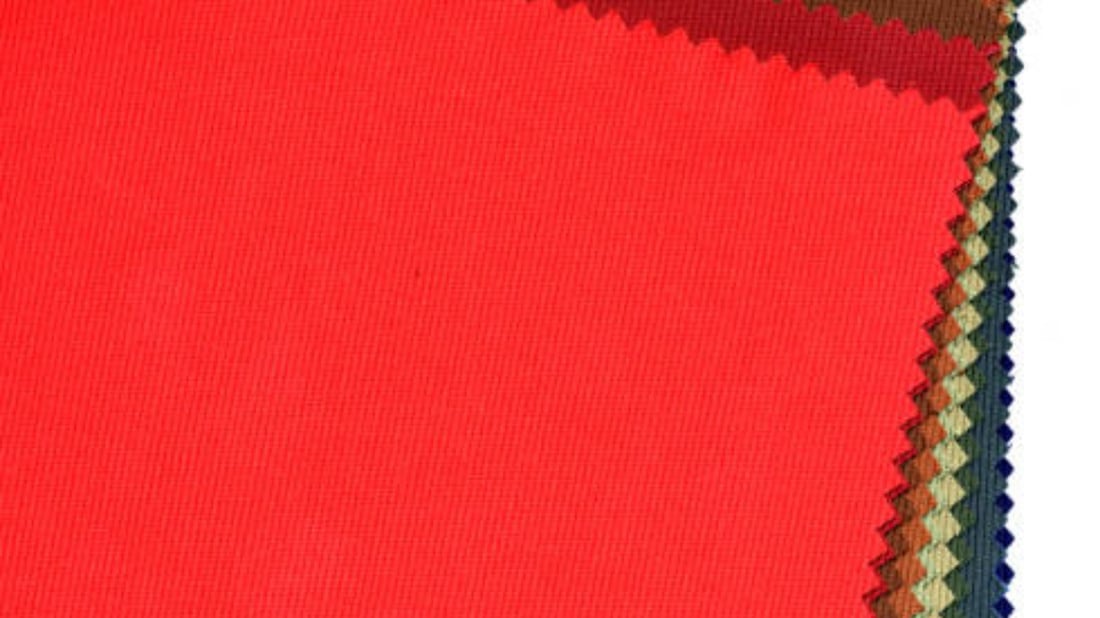
13S fabric texture refers to a specific classification of fabric characterized by its thread count, weave pattern, and surface feel. It is commonly used in textiles requiring a balance between durability and comfort. Understanding 13S fabric texture is essential for manufacturers, designers, and consumers seeking materials that combine functionality with aesthetic appeal. The term "13S" often indicates the yarn size or density, which directly impacts the fabric’s texture and performance.
The Role of Yarn Size in 13S Fabric Texture
The "13S" designation typically relates to yarn size or spinning count, influencing the smoothness and thickness of the fabric. A 13S yarn is generally finer than lower-count yarns but coarser than higher-count ones, giving the fabric a moderate texture that is neither too rough nor too silky. This intermediate yarn size results in a fabric texture that is versatile enough for various uses, making it highly valued in the textile industry.
Common Weave Patterns Associated with 13S Fabrics
Several weave types, such as plain, twill, and satin, interact differently with 13S yarns to produce unique textures. Most frequently, 13S fabric utilizes a plain weave to highlight its balanced thread count, achieving an even and tight surface texture. Twill weaves, on the other hand, add diagonal patterns that give the fabric a distinct tactile quality while maintaining the durability expected from a 13S yarn-based fabric.
Textural Characteristics That Define 13S Fabric
13S fabric textures are generally recognized for their moderate softness combined with firmness. The texture strikes a balance allowing comfortable wear while maintaining resistance to abrasion and deformation. This makes 13S fabric ideal for garments requiring moderate breathability and a smooth hand feel without sacrificing strength or longevity. The tactile feedback is consistent across these fabrics, embodying a signature texture sought in workwear and casual apparel.
Durability and Texture Relationship in 13S Fabric
The texture of 13S fabric directly correlates with its durability. The moderate yarn thickness and weave density create a fabric surface that withstands frequent use and washing without losing integrity. The texture tends to resist pilling and tearing, making 13S fabric a practical choice for everyday clothing and industrial textiles. This texture-durability relationship enhances the longevity of products fabricated from 13S yarn fabrics.
Comparing 13S Fabric Texture with Other Fabric Counts
When compared to fabrics made from finer yarns (like 20S or 30S), 13S fabric texture feels coarser but more durable. Conversely, compared to thicker yarns such as 8S or 10S, it is relatively softer and more flexible. This middle ground in texture is crucial for applications demanding a blend of comfort and robustness. Understanding these tactile differences helps in selecting the right fabric texture based on end-use requirements.
Applications Leveraging the Unique Texture of 13S Fabric
The versatile texture of 13S fabric makes it especially suitable for casual shirts, uniforms, and light industrial wear. Its tactile properties provide comfort for long hours of wear, while its surface durability withstands the rigors of daily use. Additionally, 13S fabric texture has gained favor in upholstery and home textile sectors where a balance between comfort and fabric longevity is crucial.
Care and Maintenance Impacting 13S Fabric Texture
Proper care enhances the longevity and texture integrity of 13S fabric. Washing in mild detergents and avoiding high heat drying helps preserve the fabric’s moderate softness and structured feel. Over time, improper maintenance can cause fabric texture to become rough or shrink, decreasing the material’s quality and usability. Regular care routines preserve the unique texture attributes characteristic to 13S fabric.
Technological Advances in 13S Fabric Texture Enhancement
Recent innovations in textile finishing techniques, such as bio-polishing and enzyme treatments, have improved the texture quality of 13S fabrics. These processes refine surface fibers, reduce fuzziness, and enhance softness without compromising durability. Technological enhancements are continuously evolving, making the 13S fabric texture more adaptable to diverse consumer demands and fashion trends.
Future Trends and Considerations in 13S Fabric Texture Use
As sustainable textile production gains prominence, 13S fabric texture is drawing attention due to its efficient resource utilization and adaptability to eco-friendly fibers like organic cotton or recycled yarns. Future developments aim to maintain or enhance the signature moderate texture while increasing environmental sustainability. Designers and manufacturers are likely to explore 13S fabric texture more extensively in green fashion initiatives due to its balanced characteristics.