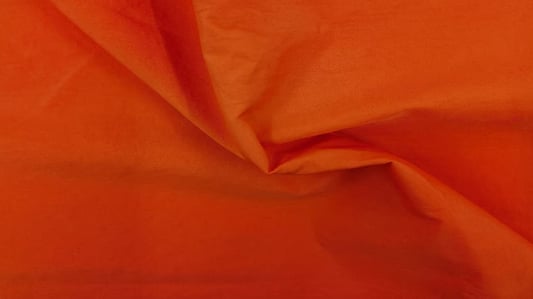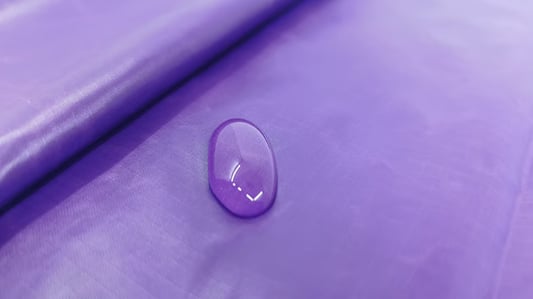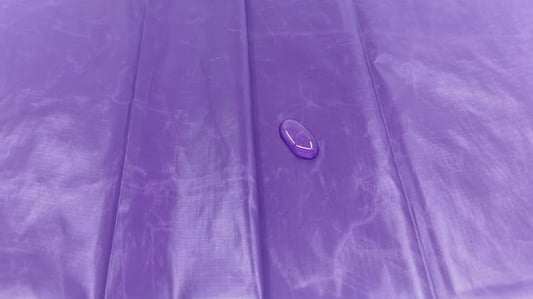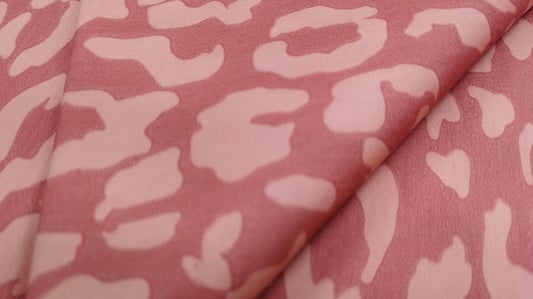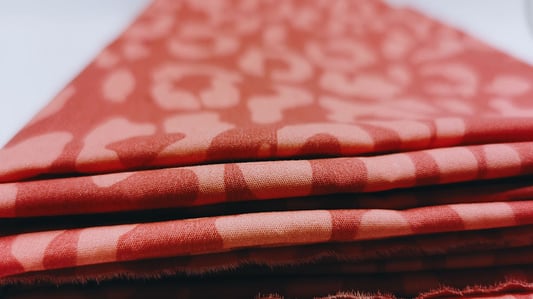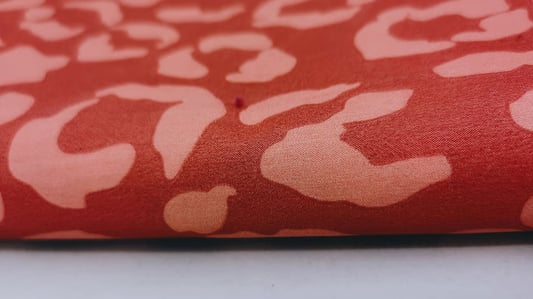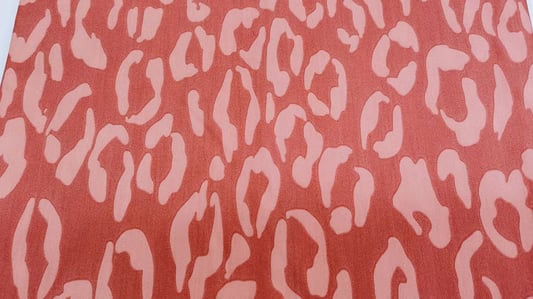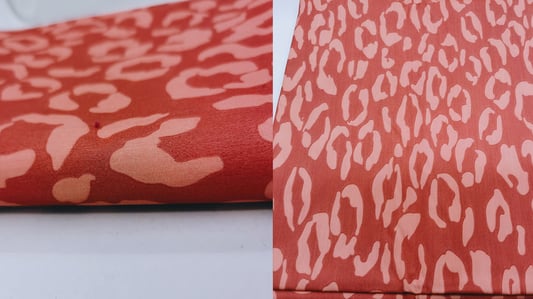

Lightweight Durability of 20D NYLON TAFFETA FABRIC 20D Nylon Taffeta Fabric is renowned for its exceptional lightweight nature combined with notable durability. The "20D" indicates the denier count, reflecting fine yarns that create a lightweight material without compromising strength. This combination makes 20D Nylon Taffeta perfect for applications requiring strong yet featherlight fabrics, ensuring ease of use and extended lifespan.Water Resistance Characteristics One of the primary advantages of 20D Nylon Taffeta Fabric is its natural water-resistant properties. Often treated with coatings like polyurethane or silicone, it becomes highly effective at repelling moisture while remaining breathable. This makes the fabric highly desirable for outdoor gear and protective clothing where water resistance is essential.Versatile Applications in Outdoor Gear Due to its lightweight strength and water resistance, 20D Nylon Taffeta Fabric is extensively used in outdoor products such as tents, sleeping bags, backpacks, and rain jackets. Its resilience against abrasion and tear ensures these items endure rough terrains and weather, providing reliability to outdoor enthusiasts.Breathability and Comfort Despite its tight weave, 20D Nylon Taffeta Fabric maintains a good balance between water resistance and breathability. This attribute ensures comfort when used in clothing or gear that stays in contact with the body. The fabric efficiently allows moisture vapor to escape, reducing clamminess and enhancing wearer comfort.Easy Dyeing and Wide Color Range Another highlight of 20D Nylon Taffeta Fabric is its excellent dye absorbency. Nylon’s affinity for vibrant dyes enables this fabric to come in a vast array of vivid colors. Manufacturers can customize products to specific color schemes, enhancing aesthetic appeal without sacrificing material integrity.Environmental Impact and Sustainability Concerns While 20D Nylon Taffeta Fabric is a synthetic material derived from petroleum, ongoing advancements have improved its environmental footprint. Some manufacturers now produce recycled nylon taffeta, reducing waste and energy consumption. However, users should still consider biodegradability and opt for responsible sourcing wherever possible.Cost-Effectiveness for Manufacturers The affordability of 20D Nylon Taffeta Fabric relative to its high performance makes it a cost-effective choice for many manufacturers. Its combination of durability, ease of processing, and versatility in applications reduces production costs and provides significant value in end products.Maintenance and Care Requirements 20D Nylon Taffeta Fabric is generally low-maintenance. It is quick-drying, resists mold and mildew, and can often be machine washed without losing its properties. Proper care ensures prolonged fabric life and maintains its water-repellent coatings, keeping products functional and attractive.Comparison with Other Nylon Variants Compared to heavier denier fabrics such as 40D or 70D nylon taffeta, the 20D variant offers superior lightness and packability while still providing respectable durability. This makes it ideal for applications prioritizing weight savings, such as ultralight backpacking or minimalistic apparel.Future Trends in 20D Nylon Taffeta Fabric Development Innovation continues to evolve in 20D Nylon Taffeta Fabric production, including enhanced coatings for better water resistance, improved breathability, and more sustainable manufacturing processes. Emerging technologies aim to create even lighter, stronger, and eco-friendlier taffeta fabrics, broadening its application possibilities.Quote Inquirycontact us