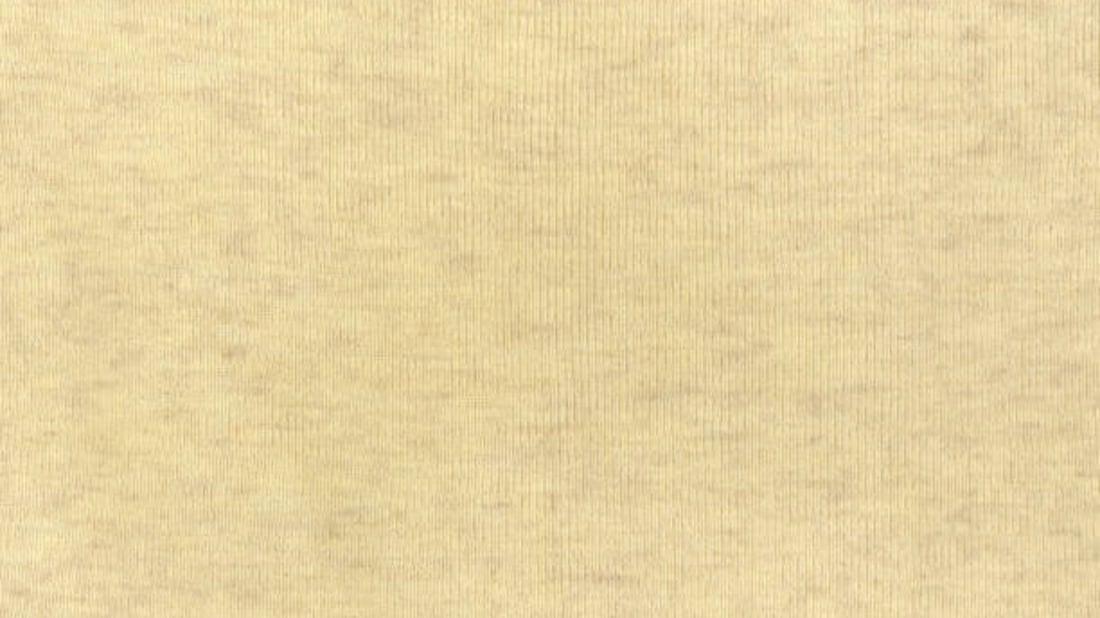
Understanding 13S fabric sewing techniques is essential for anyone working with this particular textile. Known for its distinctive weave and texture, 13S fabric demands specific stitching methods to ensure durability and aesthetic appeal. These techniques encompass tailored approaches to cutting, stitching, and finishing that optimize the fabric’s unique properties.
Properties of 13S Fabric Affecting Sewing
13S fabric is characterized by a medium weight and a tight weave that affects how it responds to needle and thread. Its structure requires careful consideration when selecting seam allowances and stitch types, as improper handling can lead to puckering or weakened seams. Familiarity with the fabric’s tensile strength and flexibility is foundational to employing effective sewing techniques.
Selecting the Right Needle and Thread for 13S Fabric
Choosing the appropriate needle size and thread type is critical in 13S fabric sewing techniques. Typically, a universal needle between size 80/12 and 90/14 paired with polyester thread is recommended. These choices prevent fabric damage while facilitating smooth stitching, enhancing seam integrity, and maintaining the fabric’s natural drape.
Cutting Techniques Tailored for 13S Fabric
Precision cutting forms the first step of effective 13S fabric sewing techniques. Using sharp scissors or rotary cutters helps avoid frayed edges. Additionally, applying weights rather than pins during cutting can prevent stretching or distortion of the fabric, ensuring components fit perfectly during assembly.
Seam Types Best Suited for 13S Fabric
Sewing with 13S fabric benefits from seam styles that accommodate its texture and durability. French seams and flat-felled seams are popular choices because they enclose raw edges and provide a clean, robust finish. These seam types enhance garment longevity and resist unraveling.
Stitching Methods That Enhance 13S Fabric Durability
Optimal 13S fabric sewing techniques incorporate stitching methods that balance strength and flexibility. A standard straight stitch with a medium stitch length is ideal for general seams, while reinforcement stitches are used at stress points. This approach prevents seam failure without compromising fabric movement.
Handling and Pressing Tips for 13S Fabric
Proper handling is vital when working with 13S fabric to prevent distortion. During sewing, minimal handling reduces stretching, and pressing should be done with a medium-heat iron using a pressing cloth. This technique avoids fabric shine or burns while setting seams flat for a polished finish.
Incorporating 13S Fabric in Garment Construction
When used in garment construction, 13S fabric sewing techniques prioritize fit and flexibility. Designers often leverage its medium-weight characteristic for structured yet comfortable clothing. Seam placement and ease allowances are carefully planned to complement the fabric’s behavior and end garment silhouette.
Finishing Techniques to Preserve 13S Fabric Quality
Effective finishing is a crucial component of 13S fabric sewing techniques. Overlocking or binding raw edges prevents fraying and extends garment life. Additionally, topstitching strengthens seams and adds a decorative element, emphasizing craftsmanship and attention to detail.
Common Challenges and Solutions in Sewing 13S Fabric
Sewing 13S fabric sometimes poses challenges such as seam puckering and fabric shifting. These issues can be mitigated by adjusting tension settings, using stabilizers, and employing careful pinning techniques. Mastery of these problem-solving tactics enhances the efficiency of 13S fabric sewing techniques.
Quote Inquiry
contact us