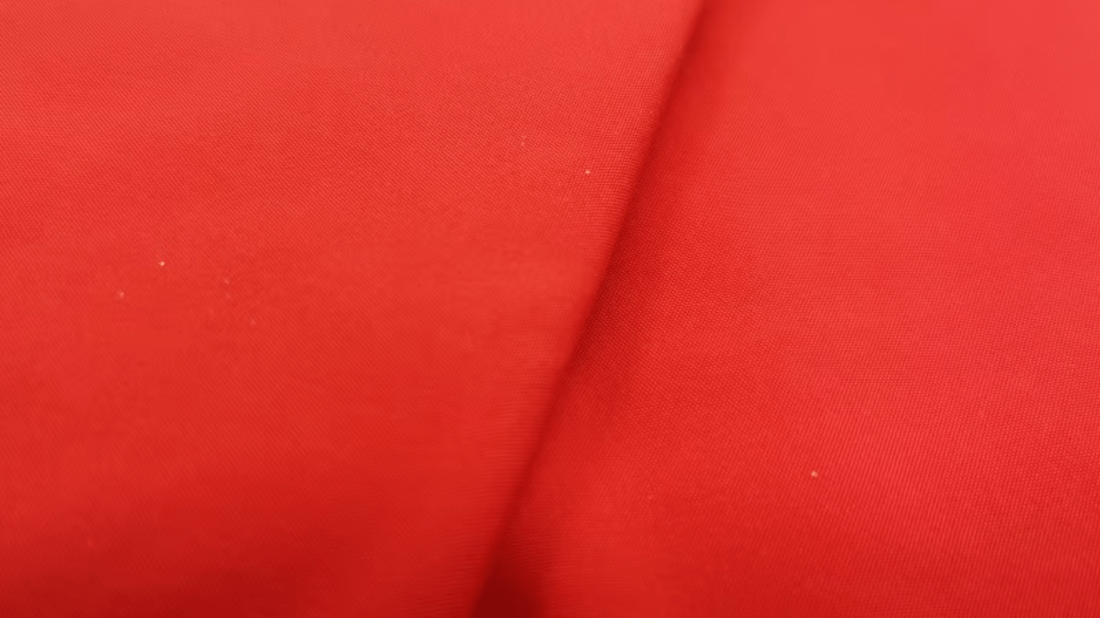
Lightweight TPU laminated polyester is a cutting-edge material increasingly favored in diverse industries. This composite fabric combines the durability and flexibility of polyester with the protective, waterproof qualities of thermoplastic polyurethane (TPU). The lightweight nature of the material makes it highly suitable for applications requiring both strength and minimal weight.
Material Composition and Structure
The unique structure of lightweight TPU laminated polyester involves a polyester base fabric that is laminated with a thin layer of TPU film. This fusion results in superior mechanical properties such as tear resistance, flexibility, and abrasion resistance. The lamination process also ensures enhanced chemical and weather resistance, making this material ideal for harsh environmental conditions.
Waterproof and Breathability Features
One of the standout characteristics of lightweight TPU laminated polyester is its ability to offer waterproof protection without compromising breathability. The TPU layer acts as a barrier to water, preventing leakage, while the polyester base fabric allows moisture vapor to escape. This balance is crucial for outdoor gear, protective clothing, and related applications where comfort and dryness are priorities.
Applications in Outdoor and Sports Equipment
Lightweight TPU laminated polyester is widely used in manufacturing outdoor and sports equipment, such as backpacks, tents, and raincoats. Its lightweight yet robust nature enhances the portability and durability of these items. Additionally, the waterproof aspect provided by the TPU layer ensures protection against rain and moisture, making it a favorite for adventure enthusiasts.
Role in Medical and Healthcare Products
In the medical sector, lightweight TPU laminated polyester finds applications in protective covers, medical bags, and some wearable devices. Its antimicrobial properties, combined with waterproofing, make it suitable for preventing contamination. The material's flexibility allows for comfortable wear and easy sterilization, supporting hygiene and safety in healthcare settings.
Environmental Impact and Sustainability Factors
The environmental footprint of lightweight TPU laminated polyester is increasingly scrutinized due to rising sustainability concerns. Many manufacturers now focus on producing recyclable TPU films and polyester fabrics from recycled sources. As a result, this material can contribute to sustainable product cycles when sourced and disposed of responsibly.
Manufacturing and Lamination Techniques
The production of lightweight TPU laminated polyester involves sophisticated lamination techniques such as hot-melt lamination and solvent lamination. These methods ensure excellent adhesion between the TPU film and polyester fabric. Advances in lamination technologies have improved the material's uniformity, reducing defects and enhancing overall quality for diverse uses.
Thermal and Chemical Resistance Properties
This composite material offers notable thermal stability and resistance to various chemicals. Lightweight TPU laminated polyester can withstand temperature fluctuations without losing mechanical strength, which is vital for industrial and outdoor applications. Its chemical resistance also extends to oils, solvents, and cleaning agents, contributing to prolonged product life and minimal maintenance.
Customization and Design Flexibility
Manufacturers can customize lightweight TPU laminated polyester to meet specific design and functional requirements. It can be produced in a range of colors, thicknesses, and finishes to suit different aesthetic and performance needs. The printability of TPU laminates allows logos and patterns to be incorporated, boosting branding opportunities without sacrificing performance.
Future Trends and Innovations
Looking ahead, innovations in lightweight TPU laminated polyester focus on improving biodegradability and enhancing multi-functionality. Research is ongoing into bio-based TPU films and the integration of smart textile technologies like conductive TPU layers. These advances aim to expand the material's application scope, especially in wearable tech, flexible electronics, and next-gen protective clothing.
Quote Inquiry
contact us