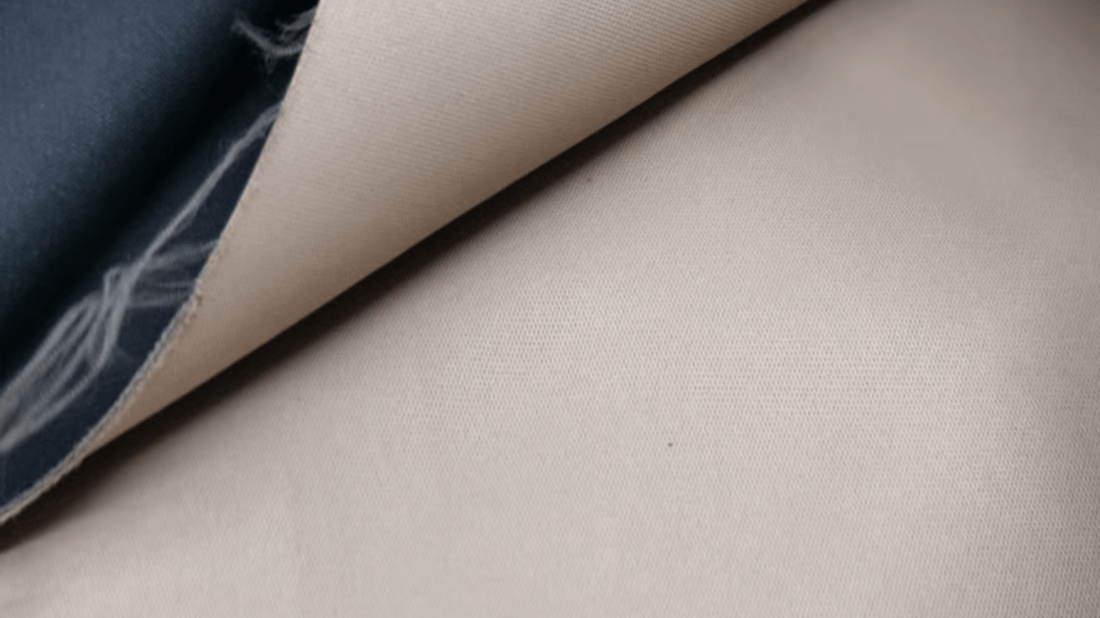
Waterproof T400 polyester material is a high-performance synthetic fabric designed to withstand moisture and environmental elements while remaining lightweight and durable. Known for its superior water resistance, this fabric is often utilized in outdoor gear, apparel, and protective coverings. The unique combination of the T400 polyester fiber technology with waterproof treatments offers a versatile material suitable for various applications.
The Science Behind T400 Polyester Fibers
T400 polyester fibers are engineered using bicomponent technology, which integrates two types of polymers into a single fiber. This innovative design allows T400 polyester to have greater stretch, recovery, and durability compared to traditional polyester fibers. These fibers contribute significantly to the fabric’s resilience and make waterproof T400 polyester material adaptable for high-stress uses where flexibility and strength are paramount.
Waterproof Properties and Performance
Waterproof T400 polyester material stands out for its ability to repel water effectively. The fabric undergoes specialized coating or lamination processes, such as polyurethane or polyurethane-polyvinyl chloride (PU-PVC) treatments, providing a water barrier that prevents penetration. This makes it an excellent choice for outdoor jackets, tents, and bags, where staying dry is critical. Besides waterproofing, the fabric maintains breathability, enhancing user comfort.
Durability and Abrasion Resistance
One of the critical advantages of waterproof T400 polyester material is its robustness. T400 fibers confer enhanced abrasion resistance, meaning the fabric can endure daily wear and tear without compromising its waterproof qualities. This durability is essential for outdoor furniture covers, luggage, and hiking equipment, where constant exposure to rough conditions could otherwise degrade fabric performance.
Environmental Resistance and UV Stability
Waterproof T400 polyester material also exhibits excellent resistance to environmental factors such as UV rays, mildew, and mold. The fabric’s UV stability ensures it does not degrade or fade rapidly under prolonged sun exposure, making it ideal for outdoor applications like awnings and marine covers. Additionally, the material resists moisture-induced damage, extending its lifespan in humid or wet climates.
Applications in Outdoor and Sports Apparel
Due to its combination of lightweight strength and waterproof capabilities, waterproof T400 polyester material is favored in outdoor and sports apparel industries. Items like raincoats, softshell jackets, and cycling gear utilize this fabric to provide protection against rain and wind, without sacrificing flexibility or breathability. This enhances athlete comfort and performance during adverse weather conditions.
Role in Technical and Industrial Textiles
Beyond consumer apparel, waterproof T400 polyester material plays a significant role in technical textiles used in industries such as automotive, military, and construction. Its water-resistant and durable qualities make it apt for vehicle upholstery, protective covers, and even safety equipment. These industrial uses demand consistent performance, which T400 polyester reliably delivers.
Manufacturing Techniques and Finish Options
The production of waterproof T400 polyester material involves weaving or knitting T400 yarns followed by finishing processes like calendaring, lamination, or coating to impart waterproof characteristics. Manufacturers can tailor finishes according to specific needs, including matte or glossy appearances, enhanced breathability, or increased stiffness. These options provide versatility for manufacturers and end-users alike.
Maintenance and Care for Longevity
Caring for waterproof T400 polyester material requires adherence to specific maintenance protocols to preserve its waterproof integrity. Generally, the fabric should be cleaned with mild detergents and air-dried to avoid damaging the waterproof coatings. Avoiding harsh chemicals, excessive heat, and abrasive washing methods helps maintain the material’s functionality over time.
Future Trends and Sustainability Considerations
The evolution of waterproof T400 polyester material is moving towards eco-friendly production methods and recycled content integration. As environmental concerns grow, manufacturers are exploring biodegradable coatings and sustainable T400 fiber manufacturing techniques. This shift promises the continuation of high-performance waterproof fabrics with reduced environmental impact, aligning with global sustainability goals.
Quote Inquiry
contact us