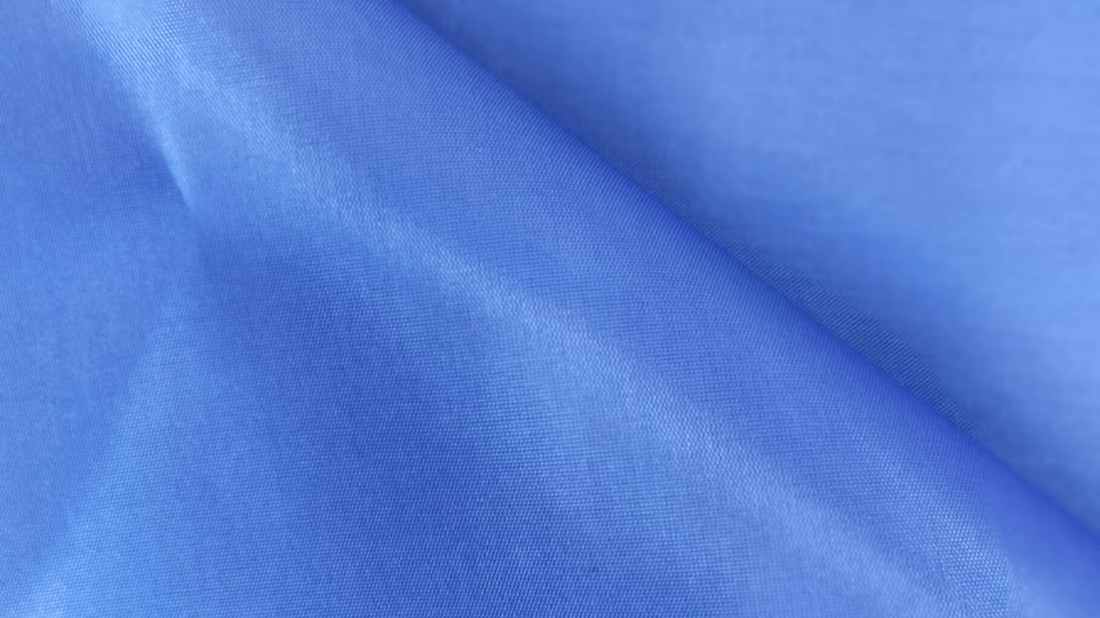
180T taffeta fabric is a smooth, lightweight woven textile commonly used in fashion, outdoor gear, and home décor. The "180T" refers to the thread count, indicating the density of threads per square inch, which contributes to its durability and sheen. Known for its crisp texture and subtle shine, 180T taffeta fabric is increasingly preferred for both functional and aesthetic purposes.
Composition and Weaving Technique
This fabric is typically made from polyester or nylon fibers, woven in a plain weave structure that gives it a tight, compact form. The 180T thread count results in a fabric that balances strength and flexibility. The taffeta weaving process produces a lustrous surface and a slight rustling sound when moved, characteristics that define 180T taffeta fabric.
Durability and Strength
One of the primary advantages of 180T taffeta fabric is its exceptional durability. Despite being lightweight, the dense weave makes the fabric resistant to wear and tear, making it suitable for long-lasting applications. It withstands abrasion well and retains its shape without easily wrinkling, ideal for products requiring both strength and appearance.
Water Resistance and Outdoor Use
180T taffeta fabric often features a water-resistant coating, enhancing its suitability for outdoor uses such as tents, umbrellas, and raincoats. Its tight weave and synthetic fiber composition allow it to repel water effectively. These properties contribute to its popularity in protective gear and coverings designed to withstand moisture and weather elements.
Applications in Fashion Industry
The crispness and sheen of 180T taffeta fabric make it a favorite in formal wear and accessories. Designers utilize it to create ballroom gowns, lining for jackets, and elegant evening dresses. Its ability to hold pleats and structured shapes perfectly complements garments requiring a polished finish.
Role in Home Décor
In home décor, 180T taffeta fabric is used for curtains, pillow covers, and bed skirts due to its smooth finish and attractive luster. Its lightweight nature allows for easy draping and maintenance while still providing a degree of opacity, enhancing the aesthetics of living spaces without compromising functionality.
Breathability and Comfort Factors
While 180T taffeta fabric is not highly breathable compared to natural fibers, it allows moderate airflow due to its weave. Its synthetic composition can trap heat, making it less suitable for extremely warm climates. However, it is comfortable enough for moderate temperature environments, especially when used as garment lining or in layered clothing.
Care and Maintenance Guidelines
This fabric requires careful handling to maintain its appearance. Often, 180T taffeta fabric is machine washable on gentle cycles, but ironing should be done on a low setting to avoid melting synthetic fibers. Stain removal needs prompt attention to prevent permanent damage, ensuring the fabric’s longevity and visual appeal.
Customization and Printing Potential
180T taffeta fabric responds well to various dyeing and printing techniques, allowing vibrant color options and intricate patterns. The smooth surface holds prints clearly, making it popular for customized apparel, promotional materials, and decorative items needing sharp, vivid designs.
Environmental Considerations
As a synthetic fabric, 180T taffeta is derived mainly from petroleum-based fibers, which raises sustainability concerns. However, manufacturers are increasingly offering recycled polyester variations of 180T taffeta fabric, reflecting a growing commitment to eco-friendly production methods and reducing environmental impact while maintaining fabric functionality.
Quote Inquiry
contact us