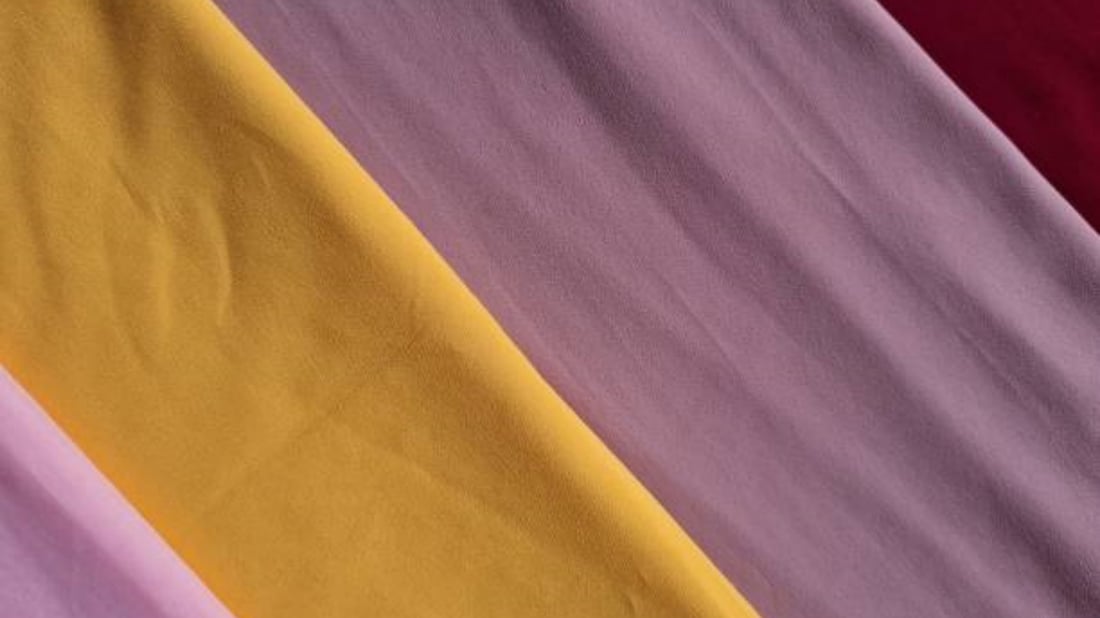
Breathable nylon fabric is a versatile material known for combining the strength and durability of nylon with enhanced air permeability. Unlike traditional nylon, which can trap heat and moisture, breathable nylon fabric allows air to circulate, making it ideal for apparel, outdoor gear, and upholstery. This fabric innovation caters especially to consumers seeking comfort and performance in varied environments.
Material Composition and Structure
Breathable nylon fabric is crafted by modifying traditional nylon fibers or incorporating specialized weaves that create microscopic pores in the fabric. These pores facilitate moisture vapor transmission and airflow while maintaining nylon’s inherent resilience. This careful balance of structure ensures the fabric remains sturdy yet flexible, suitable for applications requiring both breathability and durability.
Advantages of Breathability in Nylon Fabric
The core advantage of breathable nylon fabric is its ability to vent moisture, which helps reduce overheating and sweat accumulation. This attribute significantly enhances comfort during physical activities and in warm climates. Additionally, breathable nylon fabric helps prevent skin irritation and odor buildup, making garments more hygienic and comfortable to wear for extended periods.
Breathable Nylon Fabric in Athletic and Outdoor Wear
In athletic and outdoor apparel, breathable nylon fabric has become a staple due to its moisture-wicking properties and robustness against wear and tear. It keeps athletes dry and cool during intense workouts and outdoor adventures by promoting ventilation. Moreover, the fabric’s quick-drying nature supports rapid moisture evaporation, further contributing to comfort and performance.
Role in Protective and Technical Clothing
Protective clothing such as rain jackets, windbreakers, and uniforms benefit from breathable nylon fabric’s balance of weather resistance and ventilation. This fabric often serves as a base layer or membrane combined with waterproof coatings, allowing users to stay dry without overheating. The breathability factor enhances the effectiveness of these protective garments in dynamic conditions.
Applications in Fashion and Everyday Wear
Breathable nylon fabric has crossed into mainstream fashion due to its sleek appearance and functional benefits. Lightweight jackets, casual wear, and even handbags utilize breathable nylon to provide comfort without sacrificing style. The fabric’s ability to resist wrinkles and stains while remaining breathable adds to its appeal in everyday fashion choices.
Durability and Longevity Features
Nylon fabric is prized for high tensile strength, abrasion resistance, and longevity. Incorporating breathability does not compromise these qualities; instead, advancements in textile engineering maintain nylon’s durability while introducing airflow capabilities. As a result, breathable nylon fabric garments retain their structural integrity after prolonged use and multiple washes.
Environmental Impact and Sustainability
Considering environmental impact, breathable nylon fabric production has evolved with sustainability in mind. Some manufacturers now use recycled nylon fibers and eco-friendly dyeing techniques to reduce the carbon footprint. Furthermore, the extended lifespan and multifunctionality of breathable nylon products help reduce waste by minimizing the need for frequent replacement.
Care and Maintenance Tips
Proper care of breathable nylon fabric ensures its breathability and durability last over time. Washing in cold water with mild detergents, avoiding fabric softeners, and air drying are recommended practices. These maintenance steps help preserve the microscopic pores that enable breathability, preventing clogging or damage to the fabric fibers.
Future Trends and Innovations
The future of breathable nylon fabric looks promising with ongoing innovations. Researchers continue to develop enhanced microfiber technologies and hybrid blends that improve breathability, water resistance, and even UV protection. Smart textiles incorporating breathable nylon fibers with sensors for health monitoring or adaptive clothing features may soon revolutionize how this fabric is used.
Quote Inquiry
contact us